



Halloween in Italy in 2026 lands over a long weekend, with 31 October followed by Ognissanti on 1 November and All Souls’ Day on 2 November. Costume parties and pumpkin-themed events add a modern twist in larger cities, but the heart of the season is more traditional: family cemetery visits, chrysanthemums, candles and regional sweets made for remembering the dead.
How Italians celebrate Halloween
Italian Halloween celebrations are growing, but they are not a carbon copy of the UK or US version. Late October tends to bring modern entertainment, while 1 and 2 November remain rooted in family remembrance and religious observance.
A few useful Italian terms crop up at this time of year:
- Dolcetto o scherzetto — trick or treat
- Ognissanti — All Saints’ Day, 1 November
- Commemorazione dei Defunti or Giorno dei Morti — All Souls’ Day, 2 November
- Festa dei Morti — Feast of the Dead, a regional name commonly heard in southern Italy and Sicily
Costume parties and Halloween events in Italy
Rome, Milan, Florence, Bologna, Turin and Naples usually have the fullest calendars of Halloween-themed nights. Bars, clubs, cinemas and cultural venues often organise fancy-dress events, horror-film screenings, DJ sets and late-night parties in the days around 31 October.
Smaller cities and towns can feel more low-key, although local associations and schools may put on children’s discos, crafts sessions or themed afternoons.
Trick-or-treating in Italy
Trick-or-treating is still patchy in Italy. It is more likely in international communities, residential areas with lots of young families, bilingual schools and organised neighbourhood events than as a country-wide tradition.
Children who do take part tend to say dolcetto o scherzetto?
Haunted tours and ghost stories
Italy’s rich history and abundance of medieval towns make it a perfect destination for ghost tours and visiting some of Italy’s most haunted places. Cities such as Venice, Rome, and Bologna host spine-chilling tours of ancient catacombs, haunted castles, and after-hours museum visits. These ghost walks are particularly popular during Halloween, drawing both locals and tourists intrigued by the darker side of Italy’s past.
Ghost tours, folklore and haunted places
Italy has no shortage of dark history, medieval legends and atmospheric old quarters, so ghost walks have become a popular Halloween activity. Venice, Rome, Bologna, Naples and Turin commonly feature in late-October programmes, sometimes with tours focused on plague histories, palaces, catacombs or local ghost stories.
The strongest experiences tend to lean into documented history and regional folklore rather than imported Halloween clichés. Venice’s tales of abandoned islands and noble palazzi, for instance, have a very different flavour to the witch-trial history associated with Triora in Liguria.
Pumpkin festivals and autumn sagre
October is also prime time for autumn food festivals. A sagra is a local food festival, often celebrating a particular ingredient or regional dish. Pumpkins, chestnuts, mushrooms, new olive oil and wine all have their moment during this period.
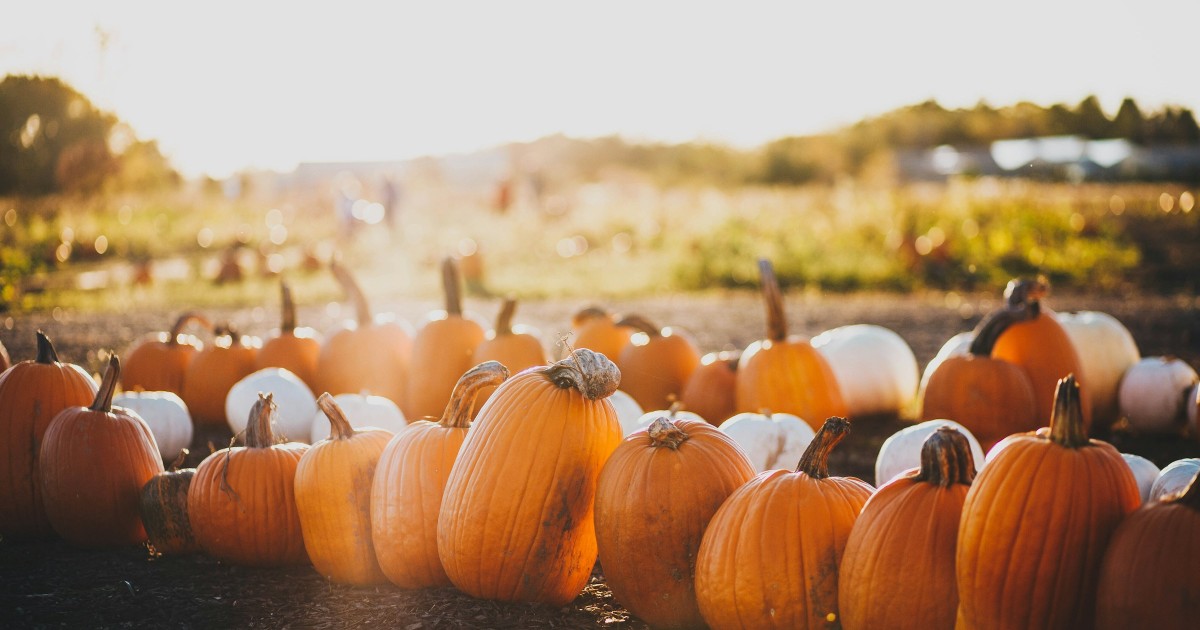
Pumpkin carving has become more common, particularly in northern Italy, but it is not a long-standing national ritual. Food is generally the more reliable draw. Look out for zucca dishes in Lombardy, Veneto and Emilia-Romagna, plus chestnut festivals in hill towns across central and northern Italy.
Italian Halloween food and All Souls’ Day sweets
The best part of this time of year is arguably the bakery counter. Regional sweets linked to the dead, saints and the changing season are much older than Halloween parties.
In Lombardy, bakeries make pan dei morti, dark, spiced biscuits packed with cocoa, dried fruit, almonds and crumbled biscuits.
Tuscany has pan co’ santi and schiacciata dei santi, sweet breads with raisins, walnuts, spices and, in some recipes, black pepper.
In Campania, pastry shops stock torrone dei morti, a soft chocolate-and-hazelnut confection that is nothing like the hard nougat many British visitors expect.
In Apulia, colva is associated with the Feast of the Dead. The dish combines cooked wheat, pomegranate seeds, walnuts, chocolate, dried fruit and vincotto, a cooked grape must syrup.
Sicily has particularly distinctive customs. Children may receive sweets or small gifts said to have been brought by departed relatives, while pastry shops sell ossa di morto, frutta martorana and colourful pupi di zucchero sugar figures.
Halloween vs. traditional Italian celebrations
Halloween sits alongside Italy’s older autumn traditions rather than replacing them. The main date on the calendar is 1st November, Ognissanti (All Saints’ Day), which is a national public holiday in Italy. Many people attend Mass, visit cemeteries and tidy family graves, often laying chrysanthemums.
On 2nd November, Commemorazione dei Defunti or Il Giorno dei Morti (All Souls’ Day) brings a more intimate tone. It isn’t a public holiday, but it’s widely marked with visits, candles and food traditions that vary by region.
Best places to experience Halloween in Italy
Italy’s most memorable late-October plans tend to centre on towns where folklore and All Souls’ traditions are part of local life. Borgo a Mozzano brings the Devil’s Bridge and themed events, while Triora pairs its witch-trial history with dramatic Ligurian mountain scenery.
For ghost stories, Venice is hard to beat after dark, particularly in quieter corners of the sestieri. Corinaldo often hosts its witch-themed festival, while Orsara di Puglia marks 1 November with Fucacoste e Cocce Priatorje, when bonfires and carved turnips light the streets in remembrance of the dead.
Stay inspired for your travels in Italy —get our weekly newsletter for the latest travel, legal, and lifestyle news.
Source: https://www.idealista.it/