



Living a luxury lifestyle does not cost the same everywhere, and in 2026 the geography of global wealth has seen an unprecedented shake-up. The cost of maintaining a premium lifestyle rose by an average of 10.2% in US dollars compared with the previous year.
Singapore remains at the top, but Europe has moved up strongly, American cities have disappeared from the top 10, and cities such as Bangkok have entered the world’s most exclusive ranking. Milan also makes the list for Italy.
Here are the world’s most expensive cities.
Ranking criteria and assessment method
The ranking of the world’s most expensive cities is based on the Global Wealth and Lifestyle Report 2026, published by Swiss private bank Julius Baer. It measures how much it costs high-net-worth individuals to maintain their standard of living in 25 major cities across Asia, Europe, the Americas, the Middle East and Africa.
It analyses the price of a basket of 20 luxury goods and services. The selection covers high-end residential property, cars, business-class flights, private-school fees, fine dining, watches, jewellery, hotel suites, champagne, legal services and MBA programmes. Luxury residential property accounts for the largest share of the index at 20%, followed by cars at 10%.
The full ranking
The list has some familiar names, with Singapore holding its place at the top and Hong Kong remaining near the top. There have also been notable shifts: Europe has five cities in the top 10, as does the Asia-Pacific region, and, for the first time in the report’s history, no US city appears in the ranking.
Singapore
For the fourth consecutive year, Singapore remains the world’s most expensive city for those maintaining an elite lifestyle. This Southeast Asian city-state combines high residential property prices with one of the world’s costliest car markets.
The strength of the Singapore dollar also helps keep it in first place, as exchange-rate movements have kept its costs high against the global average.
Zurich
The most notable movement near the top of the ranking comes from Zurich, which climbed three places to second, pushing London down. The main driver was the appreciation of the Swiss franc against the US dollar.
Zurich was already among the most expensive cities in particular categories, including healthcare, where it ranks near the global top. Prices in European cities rose by an average of 14.1% in US-dollar terms, well above the global average of 10.2%.
Monaco
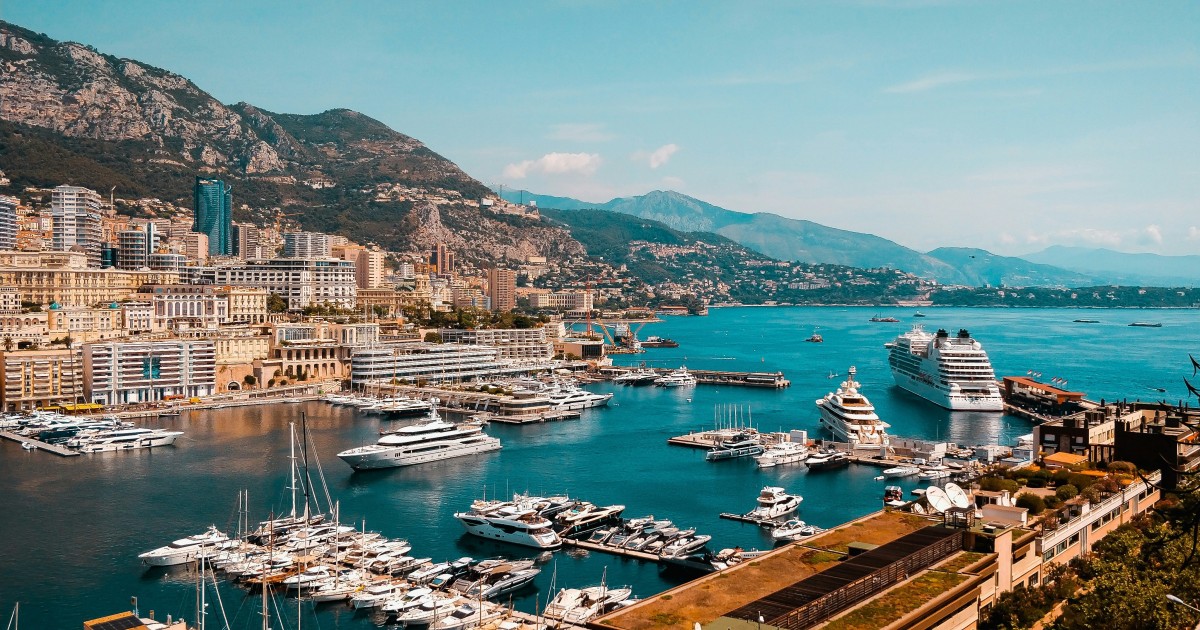
For the first time in the report’s history, Monaco enters the global top three. The principality, long associated with luxury, ranked fourth in 2025 and has now gained another place.
Two factors worked in its favour. The first was the strength of the euro, which increased costs in Monaco when measured in US dollars. The second concerns the property sector.
Hong Kong
Hong Kong falls to fourth place, dropping one position for the second year in a row. On one hand, Hong Kong is the world’s most expensive city for legal services and ranks second only to Monaco for high-end residential property prices. On the other hand, there are a few surprises: it is the least expensive of the 25 cities analysed for champagne and jewellery purchases.
Its proximity to mainland China is a strategic advantage, particularly for people operating in the Asian market. The Asia-Pacific region places five cities in the top 10, while regional GDP is expected to grow by 4.5% in 2026, above the global average of 2.9%.
London
After coming close to the top spot in 2025, London slips to fifth place. The British pound followed a similar path to the US dollar, limiting the relative rise in costs compared with cities in continental Europe tied to the euro or Swiss franc. The cost of a premium lifestyle remains extremely high, particularly for healthcare, property and private education.
Shanghai
Shanghai holds on to sixth place, unchanged from 2025 but lower than in earlier years. It ranked first as recently as 2022. One area in which Shanghai still leads is fine dining. The Chinese metropolis is the world’s most expensive city for high-end restaurants, ahead of Paris and Hong Kong. Watch prices have also risen sharply, by more than 11% year on year.
Shanghai remains a major centre for finance and business in Asia, supported by regional economic growth and investment in technology and artificial intelligence.
Paris
Paris moves up to seventh, having ranked ninth in 2025. The French capital is home to some of the world’s largest luxury houses, and their euro-based pricing is reflected directly in the cost of a premium lifestyle in the city. Paris ranks second globally for fine dining after Shanghai, while demand for property in central areas remains firm.
Sydney
Australia’s largest city rises six places, moving from 14th to eighth. Two main factors lie behind this shift. The first is the appreciation of the Australian dollar, which increased Sydney’s costs when measured in US dollars. The second is a structural feature of Australia’s economy: the high cost of importing premium goods.
Milan
The Lombardy capital takes ninth place, up one spot in 2025 and now firmly within the global top 10. It is the only Italian city in Julius Baer’s ranking and comes fifth in Europe, behind Zurich, Monaco, London and Paris.
The exchange-rate effect linked to the strong euro played an important role, but it is not the only factor. Milan’s high-end property market continues to grow, supported by the city’s international appeal as a centre for fashion and design.
Bangkok
The top 10’s real new entry is Bangkok, which rises from 11th to 10th place and enters the world’s most expensive cities for the first time since Julius Baer began publishing its index.
Thailand’s capital is benefiting from the growth of the luxury-goods market and rising spending among affluent consumers in the region. Bangkok is no longer only a tourism centre. It is becoming an emerging Southeast Asian hub for the premium sector, high-end hospitality and exclusive property.
Source: https://www.idealista.it/