



Living with other people works best when there are a few clear rules, agreed together and put in writing. A cleaning rota, transparent shared costs, respect for personal space and quiet hours are the foundations of a harmonious shared home. Living with friends, strangers or fellow students involves a mix of contractual obligations and common sense.
These are the main housemate rules in Italy to keep in mind.
Housemates’ rights and responsibilities
The relationship between housemates is not simply a matter of good manners. Many rights and responsibilities depend on the type of tenancy agreement that is signed. In Italy, the two most common arrangements are:
|
Individual room agreement |
||
|---|---|---|
|
Who signs |
All housemates sign together |
Each person signs their own agreement |
|
Responsibility for rent |
Joint and several liability: the landlord can request the full rent from any one tenant |
Each person is responsible only for their own share |
|
If a housemate leaves |
The remaining tenants are still liable for the full amount |
The issue concerns that room only |
|
Choosing a new housemate |
Usually agreed by the tenants and landlord |
Usually decided by the landlord |
Beyond the tenancy agreement, everyone in a shared home has certain rights:
- Use of shared spaces: the kitchen, bathroom, living room and balcony belong equally to everyone.
- Privacy in one’s own room: entering another person’s bedroom without permission is an infringement, even if the door is open.
- Peace and rest: Article 844 of the Italian Civil Code protects people against nuisance, including noise, that exceeds the threshold of normal tolerance. Quiet hours set out in the building regulations also apply.
- Transparency over expenses: everyone has the right to see bills and understand how their share has been calculated.
- The return of their share of the deposit when leaving the property, provided they are not responsible for any damage.
In return, every housemate must pay rent and utility bills on time, contribute to cleaning the shared areas, and use the property with the care required under the tenancy agreement.
Main rules for living together in Italy
The best rules are few, practical and easy to check. One of the most useful steps is to write a house agreement during the first week and update it whenever necessary.
Cleaning rota
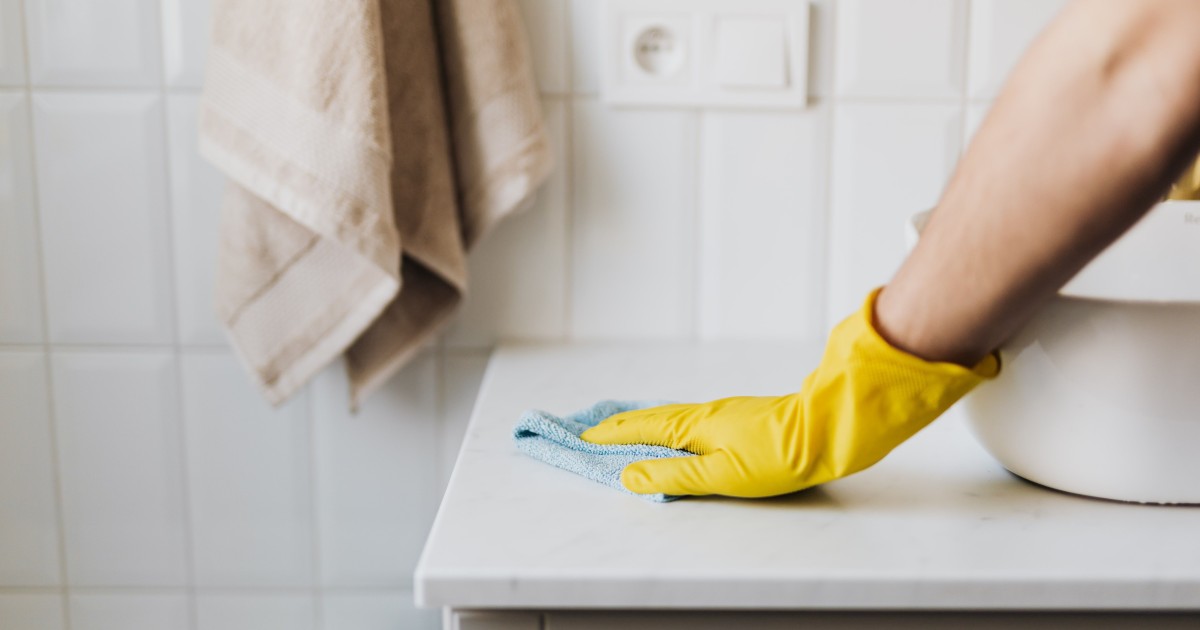
Cleaning is the leading cause of arguments between housemates. The answer is to divide tasks clearly and rotate them. A chart on the fridge or a shared calendar on a phone can work very well. It can also help to agree on what happens when somebody misses their turn: making up for it the next day, for instance, or taking on an extra shift.
Managing shared expenses transparently
Rent, bills, internet, detergent and toilet roll: anything shared should be divided in a traceable way. A few practical options include:
- A shared fund for everyday items, with a fixed monthly contribution from each person.
- An expense-splitting app that keeps track of who paid for what in advance.
- Bills in one person’s name, divided immediately, with a photo or PDF shared in the group.
Noise and quiet hours
Alongside everyone’s individual routines, it helps to agree shared quiet periods, such as 11 pm to 8 am on weekdays, while also following the times set out in the building regulations.
Food and personal belongings
It can help to assign each person a fridge shelf and a cupboard shelf, as well as keeping a separate area for shared food. This avoids mix-ups and stops one housemate accidentally using food or items bought by somebody else.
Pets, smoking and safety
Before bringing home a cat or dog, everyone’s agreement is needed and, in many cases, the landlord’s too. The same applies to smoking indoors: it is best to establish straight away if it is allowed, permitted only on the balcony, or not allowed at all. Safety matters too: keeping the door locked, not lending keys to strangers and turning off the gas after use.
Rules for students living together
Sharing a home with university students has its own dynamics. It is often the first experience of living away from home; housemates may not know each other, and daily schedules can be very different. One person might be revising for an exam while another has just finished the exam period and wants to celebrate. Alongside the general rules, a student house can benefit from a few specific arrangements:
- Stricter quiet periods during exam times: an exam timetable can be agreed to ensure peace and quiet when someone has an important exam approaching.
- Shared study spaces: if the living room becomes a study area, there should be agreed times or arrangements setting out who uses it and when.
- Returning home and weekends away: letting others know when someone is leaving helps with cleaning shifts, rubbish and food close to its expiry date.
Getting along with housemates
Rules are the basis of civilised shared living, but getting along with housemates is mainly about attitude. The key elements are:
- Communicate early rather than late: a small annoyance left unspoken for weeks can become a major issue. If something is bothering someone, it is better to mention it calmly and straight away, sticking to the facts. Notes on the fridge and complaints in the WhatsApp group are best avoided. For sensitive matters, speaking face to face remains the most effective approach.
- Arrange regular house meetings: ten minutes together once a month is enough to go over costs, rotas, minor issues and items that need buying.
- Respect differences: not everyone relates to home life in the same way. One person may want to cook together every evening, while another may prefer their own company. Both are perfectly valid. Accepting that a housemate does not necessarily have to become a friend takes a great deal of pressure off the relationship.
Stay in the know about living in Italy as a foreigner—get our weekly newsletter for the latest travel, legal, and lifestyle news.
Source: https://www.idealista.it/